
Key Takeaways
-
Self-service technology is increasingly preferred by travelers, with significant adoption growth across the hospitality sector.
-
Automated solutions support hotels in addressing staffing shortages, minimizing operational costs, and enhancing guest satisfaction.
-
Personalization and seamless platform integration are critical factors for ensuring the successful use of self-service solutions in hospitality.
Table of Contents
-
Rising Demand for Self-Service Solutions
-
Benefits of Self-Service Technology
-
Key Trends in 2026
-
Tips for Implementing Self-Service Solutions
-
Challenges and Considerations
-
Future Outlook
In today’s fast-paced hospitality landscape, adopting self-service technology is transforming both guest interactions and operational efficiency. As travelers increasingly demand convenience and personalization, hotels and resorts are turning to digital innovation to keep pace. From streamlining check-in and check-out processes to enabling modern dining and amenity reservations, these solutions are reshaping the industry. Companies offering KIOSK hospitality solutions are making it easier than ever to meet evolving guest expectations and remain competitive.
Hospitality operators are responding to growing traveler demand for efficient, touchless service through a variety of digital interfaces, including mobile apps and lobby kiosks. This digital-first movement allows hotels to manage staffing challenges, cut costs, and deliver personalized guest experiences at scale. As these technologies gain traction, it is crucial to consider both the practical benefits and the unique challenges that come with implementation. Understanding the latest innovations and how to integrate them seamlessly can set properties apart in a saturated market.
The steady rise of self-service has also attracted considerable attention from major travel publications and hospitality experts. By leveraging automation and guest-centric platforms, hoteliers are not just adapting to current preferences but are also building a foundation for long-term operational resilience and guest satisfaction. Resources like Hospitality Net highlight how the confluence of digital innovation and guest-centricity is changing the future of travel and accommodation services.
As the industry continues to innovate, taking proactive steps to understand changing traveler preferences, invest in easy-to-use interfaces, and support both guests and staff will yield the greatest returns. In the following sections, you will find a comprehensive overview of the key takeaways and emerging trends set to define the hospitality sector in 2026 and beyond.
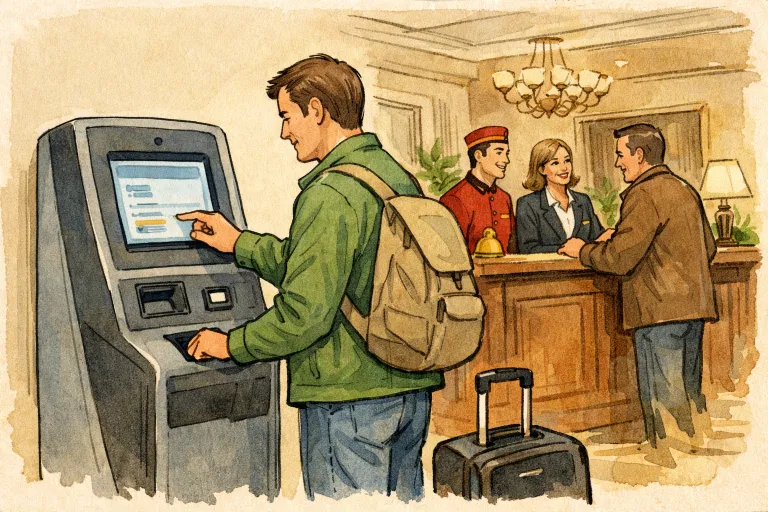
Rising Demand for Self-Service Solutions
Consumer behavior continues to change rapidly, with a majority of travelers seeking greater autonomy and speed in their hotel experiences. According to a study by Mews, almost 80 percent of travelers are open to staying at properties with fully automated reception desks or using self-service kiosks for routine tasks. Over 40 percent report preferring digital check-in, whether through a hotel’s app, website, or an on-premises self-service station. This shift highlights the growing importance of user-friendly digital interfaces in establishing guest loyalty and attracting new clientele.
Additionally, increased exposure to streamlined digital processes in other industries, such as retail and air travel, has fostered a universal expectation for similar efficiencies in the hotel realm. Modern travelers are accustomed to instant gratification—booking, upgrading, or resolving requests within moments on their mobile device. As hotels continue to draw inspiration from these consumer-driven sectors, the hospitality industry is experiencing an acceleration in the integration of intuitive, automated solutions. This environment is fueling a virtuous cycle: as more properties implement self-service features, guest familiarity rises and innovation adoption rates improve, setting new benchmarks for the industry.
Benefits of Self-Service Technology
-
Operational Efficiency: Automating repetitive tasks allows on-site staff to dedicate more time to personalized guest interactions and value-added services.
-
Cost Reduction: By decreasing reliance on traditional front desk staff, hotels can keep labor costs in check and address recruitment difficulties.
-
Enhanced Guest Experience: Providing self-service tools empowers guests to control their own experience, from speedy check-in and check-out to convenient amenity booking, which can significantly boost satisfaction scores.
Moreover, self-service platforms deliver consistent experiences regardless of time or location, allowing global brands to maintain high service standards across their entire portfolio. These digital systems also generate valuable guest data in real-time, which operators can leverage to refine operational strategies and anticipate market changes.
Key Trends in 2026
-
Increased Kiosk Adoption: Modern kiosks are seeing widespread deployment. For instance, Stayntouch recorded a 72 percent spike in hotels installing its kiosk systems over the past year, reflecting market-wide demand for seamless guest-facing solutions.
-
Personalization at Scale: Advanced algorithms and guest preference tracking enable properties to anticipate needs and tailor in-stay recommendations, increasing upsell opportunities and satisfaction.
-
Full Mobile Integration: With nearly every traveler owning a smartphone, integrating booking, keyless entry, and service requests into a single mobile ecosystem is now an industry standard. This trend supports higher engagement and loyalty app adoption rates.
In 2026, forward-thinking hospitality brands will likely focus on unifying guest-facing and back-end systems to minimize friction and maximize efficiency. Technology will continue to evolve, with IoT-powered amenities and AI-driven platforms shaping more immersive and anticipatory guest journeys than ever before.
Tips for Implementing Self-Service Solutions
-
Assess Guest Preferences: Survey your typical guest demographic to gain insight into digital adoption rates and readiness for automation. Tailor the self-service approach to meet their expectations.
-
Choose User-Friendly Platforms: Prioritize platforms with intuitive design, accessible language, and the ability to support a wide range of user needs and accessibility standards.
-
Provide On-Site Assistance: Even the most digital-savvy guests may occasionally need assistance. Dedicate staff or provide virtual helpdesk channels to ensure guests never feel stranded by technology.
-
Prioritize Security: With more operations moving online, it is essential to implement robust data encryption and fraud prevention protocols to protect guest privacy and maintain trust.
Integrating feedback mechanisms into digital tools can also greatly improve system effectiveness. Regularly collecting guest input on their self-service journey allows hotels to rapidly identify pain points, iterate on their technology, and maintain a guest-centric focus. Collaboration with tech providers for ongoing product enhancements will help ensure long-term success, offering adaptive solutions as user needs and digital landscapes evolve.
Challenges and Considerations
-
Initial Investment: Upgrading to modern self-service platforms often requires significant capital, especially for smaller, independently operated properties. Careful ROI analysis and phased rollouts can help mitigate risk.
-
Staff Training: To maximize the value of automation, employees must be fully trained not only to maintain and troubleshoot new systems but also to shift their focus toward providing proactive guest service.
-
Guest Adaptation: While digital natives may readily adopt new technology, some guests still prefer a more traditional, personal touch. Offering hybrid options ensures all preferences are accommodated during the transition to digital-first operations.
Another consideration is ensuring that technology integrations do not disrupt existing brand standards or cause frustration due to unexpected glitches or downtime. Explicit communication about new systems can help manage expectations and smooth the adoption curve for all guests. Hoteliers should evaluate ongoing maintenance needs, data privacy regulations, and the scalability of their chosen technology infrastructure to avoid costly missteps during expansion or upgrades.
Future Outlook
The trajectory for self-service technology in hospitality is clearly upward, driven by consumer demand for speed, convenience, and personalization. Properties that actively embrace these solutions are likely to see sustained gains in satisfaction metrics and customer loyalty. Staying agile and informed about industry developments will be key for maintaining a competitive edge as digital transformation accelerates across all segments of hospitality.
Looking ahead, guest expectations will only continue to rise, making it critical for operators to continuously monitor the effectiveness of self-service offerings. The ability to quickly implement emerging digital innovations will become a differentiating factor among leading brands. As artificial intelligence, automation, and connectivity advance, the hospitality industry stands on the threshold of a new era, where technology and personalized service work seamlessly together to elevate the guest journey.